
Kompas, 7 Agustus 2014
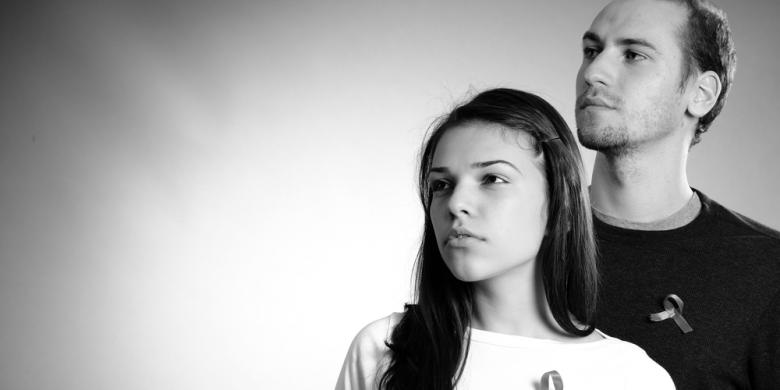 KOMPAS.com - Kampanye berperilaku aman pada populasi berisiko tak begitu efektif. Akibatnya, infeksi human immunodeficiency virus (HIV) dari populasi berisiko kepada orang di luar populasi itu menjadi ancaman penyebaran. Untuk itu, perlu pendekatan dan cara baru penanggulangan epidemi HIV.
Menurut Menteri Kesehatan Nafsiah Mboi, dalam jumpa pers di Jakarta, Selasa (5/8), sulit mengubah perilaku populasi berisiko agar mau menjaga kesehatan diri dan orang lain. "Heran, mengapa yang berisiko tidak mau berperilaku aman. Kesadaran menjaga kesehatan dirinya dan orang lain kurang," kata dia.
Nafsiah menyatakan, pemerintah telah menyosialisasikan pemakaian jarum suntik steril dan alat pelindung untuk memutus penularan HIV. Bahkan, pemerintah menyediakan alat suntik steril dan alat pelindung gratis. Namun, banyak orang berperilaku berisiko terinfeksi HIV enggan memakainya.
Suara Merdeka, 7 Agustus 2014
YOGYAKARTA, suaramerdeka.com - Dokter Bagian Penyakit Dalam RSUP Dr Kariadi Semarang sekaligus dosen Fakultas Kedokteran Universitas Diponegoro (Undip) dr Muchlis Achsan Udji Sofro SpPD, berhasil memperoleh gelar doktor dari Fakultas Kedokteran UGM, usai mengikuti ujian terbuka promosi doktor.
Dalam kesempatan tersebut, pria kelahiran Pemalang, Jawa Tengah, 51 tahun lalu itu, berhasil mempertahankan penelitian disertasinya mengenai ''Kajian Imunologis, Klinis dan Virologist Terhadap Respon Regulatory T Cell (Treg) Pada Pasien HIV dan TB-HIV Dalam Terapi Antiretroviral''.
AIDSMAP, 7 August 2014
Integrating intimate partner violence (IPV) prevention strategies into HIV prevention programming led to a significant reduction in HIV incidence and in women's experience of physical and sexual violence from intimate partners in Rakai, Uganda, delegates heard last month at the 20th International AIDS Conference (AIDS 2014) in Melbourne.
Significant reductions in risk behaviours including spousal rape (adjusted prevalence risk ratio [aPRR]: 0.80, 95% CI: 0.66-0.97) and increased HIV disclosure were reported in this cluster randomised trial comprising over 11,000 men and women aged between 15 and 49 years, Fred Nalugoda, presenting on behalf of the Rakai Health Services Programme, told delegates.
the Body, 6 August 2014
CHICAGO -- HIV/AIDS activists have found a unique way to pressure the U.S. to prioritize and address rising rates of HIV among communities of color. In a report submitted to the United Nations, a national coalition of HIV/AIDS advocacy organizations details the disparate impact of HIV/AIDS on communities of color, and identifies the lack of U.S. action on social drivers of the epidemic in those communities as a human rights violation.
Led by the HIV Prevention Justice Alliance (HIV PJA), a project of the AIDS Foundation of Chicago (AFC), the report calls on the U.S. to make good on its ratification of the Convention on the Elimination of all forms of Racial Discrimination (CERD) in January 2013. In the Convention, the U.S. pledged to "address disparities in HIV prevention and care involving racial and ethnic minorities and other marginalized populations."
Supported by

© 2026 Kebijakan AIDS Indonesia