the Province, 16 July 2014
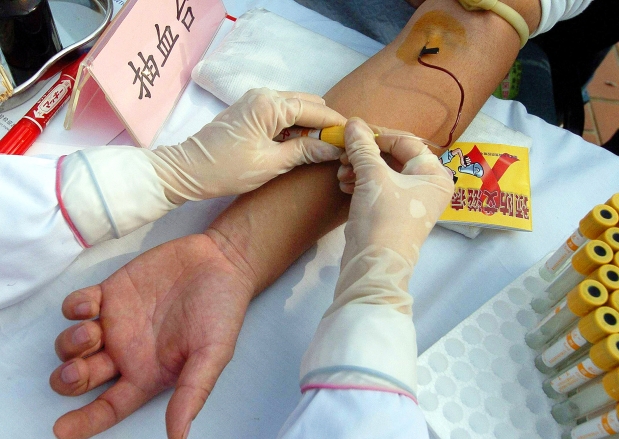 Early HIV infection is difficult for doctors to diagnose using clinical exam skills alone, according to a new B.C. study by the B.C. Centre for Excellence in HIV/AIDS.
The report, published in the July 15 issue of the Journal of the American Medical Association, analyzed data from 24,000 patients and found early symptoms of HIV are often too non-specific for doctors to recognize, meaning they may miss opportunities to refer patients for HIV testing.
"It's not meant to be critical of physicians, it's meant to highlight the need for routine testing," said Dr. Evan Wood, lead author and Canada Research Chair in Inner City Medicine at UBC.
About 50 to 90 per cent of HIV-infected patients present with early flu-like symptoms, which can include fever, nausea, vomiting, rashes, swollen lymph nodes and oral ulcers. However, any absence of symptoms does not rule out infection.
The province introduced new guidelines for adult HIV testing in May. Many B.C. hospitals now offer routine HIV testing (patients can refuse) as part of standard hospital admitting practice, with St. Paul's Hospital and Vancouver General Hospital being early adopters.
"This combination of increased testing and access to free antiretroviral drugs is both evidence-based and effective," said provincial health officer Dr. Perry Kendall.
Kendall released his annual HIV report on Monday, revealing that B.C.'s gay and bisexual men are not benefiting from prevention programs. They have higher rates of new HIV infection (accounting for 57 per cent of new infections in 2011) and now comprise 45 per cent of B.C.'s known HIV population.
Despite this, B.C. is generally seen as a leader in HIV/AIDS prevention and early detection. A recent survey of 376 U.S. hospitals found less than 10 per cent reported universal HIV patient screening.
"We know routine HIV testing works, and our goal is to bring the success we've had in British Columbia in controlling HIV and AIDS to the rest of Canada and around the world," said Dr. Julio Montaner, director of the B.C. Centre for Excellence in HIV/AIDS.
The new data sees release in advance of the AIDS 2014 International AIDS Conference, starting next Monday in Melbourne, Australia.
Currently, 35 million people globally are infected with HIV, with 2.5 million new infections each year, according to UNAIDS 2013 data.
Duke University Medical Centre and Oregon Health and Science University also participated in the research.
By Elaine O'Connor, The Province
Source: the Province