IPP Media, 17 July 2014
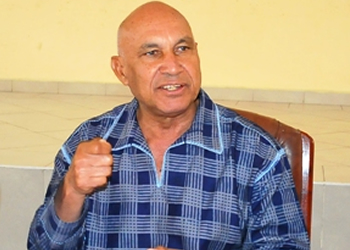 As HIV/Aids infection rates lowers in Dar es Salaam, the Regional Commissioner Said Meck Sadick has directed authorities in the three city municipals to include the war against the disease in their list of priorities warning of its negative direct effects on the city's human resource size and capacity.
Sadick issued the order early this week when receiving a survey report carried out by the Tanzania Commission for Aids (Tacaids) in Dar es Salaam.
According to the report, despite the decrease in new infections from 10.9 per cent in 2004, 8.9 in 2008 to 6.9 in 2012 there must be concerted efforts to ensure that they drop further.
The report identified some of the issues that fuel new infections as massive interactions of people from upcountry regions and neighbouring countries, unsafe sex, presence of unregistered guest houses and the use of narcotic drugs.
Others are the increase of sex workers, widespread moral corruption, increase of night clubs and bars and the emergence of human sex trade in and outside the country.
Tacaids Executive Chairman, Dr Fatma Mrisho said that despite the efforts taken in the war against HIV/Aids, progress is been hampered by among other things, the lack of health servants to serve people living with HIV/Aids.
As such, she called on the government to facilitate the enrollment of HIV positive persons to the National Health Insurance Fund (NHIF) to ensure that they have access to affordable quality medical services and in a timely manner.
She also underscored the need for the private sector to complement the government's efforts in the fight against the disease.
According to the Chairperson, the survey found that, to a large extent, parents and guardians in Dar es Salaam are not living up to their responsibility as caretakers and role models and instead live their child up bringing obligations to peer groups, social media networks and other media outlets.
"Local government authorities should make full use of the community development officers to influence parents and guardians to perform their roles as caretakers of their children," Mrisho said.
By Correspondent David; SOURCE: THE GUARDIAN
Source: IPP Media