
- Detail
- Kategori: Berita Media (News)
- Dilihat: 3616
Pos Kota News, 4 September 2014
 TANJUNG PRIOK (Pos Kota) – Meningkatnya jumlah pengidap penyakit HIV/AIDS, akhir-akhir ini berberbagai cara dilakukan oleh pemerintah untuk mengantisipasinya dan penyebaran.
Salah satunya dengan cara melaksanakan kegiatan sosialisasi kepada masyarakat. Diharapkan dengan adanya penyuluhan ini masyarakat Jakarta Utara akan sadar bahaya penyakit yang mematikan tersebut.
Kepala Bagian Kesejahteraan Sosial Pemkot Jakarta Utara, Septalina Purba dalam menjelaskan, kegiantan yang berlangsung di kantor walikota Jakarta Utara ini dilakukan sebagai bentuk mengkoordinasi dan mensosialisasikan penyakit menular. Dalam sosialisasi ini pihaknya menitik beratkan pada penyakit HIV AIDS, serta penyakit tidak menular yang dikonsentransikan pada bahayanya merokok.
- Detail
- Kategori: Berita Media (News)
- Dilihat: 3046
Blog AIDS Gov, 3 September 2014
Editor's note: As summer winds down, we are looking back at some of the highlights of a busy summer in the HIV/AIDS field. Today we share reflections from Dr. Ron Valdiserri on a White House meeting on HIV in the southern U.S. held earlier this summer.
HIV continues to take a heavy toll in states across the American South, a fact underscored at a meeting convened by the White House Office on National AIDS Policy (ONAP) earlier this summer. The June 18 meeting explored the response to HIV in the 17 southern states, a rapidly growing region where one-third of the U.S. population resides and the region of the country where the largest proportion of people living with HIV (PLWH) resides.
- Detail
- Kategori: Berita Media (News)
- Dilihat: 3126
the Times of India, 3 September 2014
KOLKATA: The Centre's decision to do away with the Departments of AIDS Control (DAC) as a separate wing and merge it with the health ministry has sparked apprehension among organisations that working on HIV/AIDS.
Community based organisations (CBOs) and other NGOs feel that such move will hamper the progress that has been made in the prevention and control of AIDS.
Early this August the Centre took the decision to wind down DAC that runs five-year Rs 14,295 crore National AIDs Control programme 4 (NACP-4) and merged it with the department of health and family welfare. The Centre felt that there was no more that need for a separate wing since the number of people affected with HIV had fallen by about half over the past one decade.
- Detail
- Kategori: Berita Media (News)
- Dilihat: 3180
UNHCR, 3 September 2014
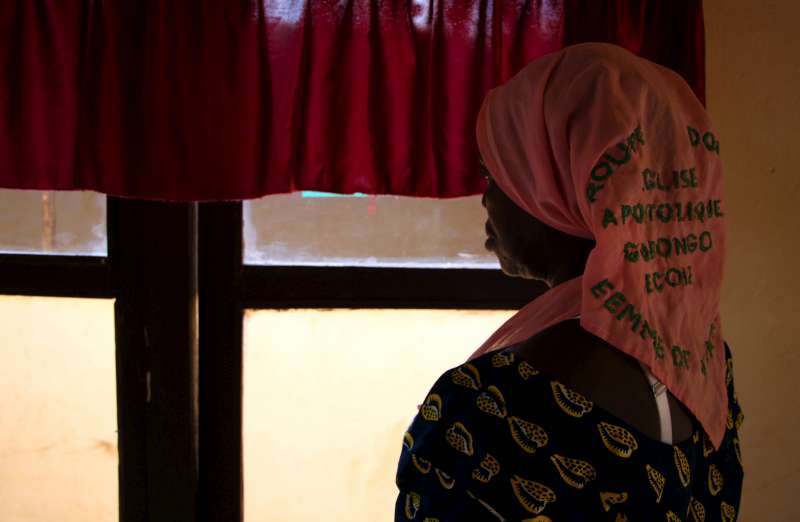 BANGUI, Central African Republic, September 3 (UNHCR) – Conflict forced Nayo to flee her native South Sudan and seek shelter in neighbouring Central African Republic, but it has not prevented the 58-year-old refugee from receiving the medical treatment that keeps her alive.
"Fighting has forced me twice to leave South Sudan for the Central African Republic, once as a little girl and once as an adult," she tells UNHCR. "I'd love to see my country, even though it's at war. But I am tired of running. I am too old and too sick," she adds resignedly.
Nayo is one of tens of thousands of people in the Central African Republic, including refugees, living with HIV. But while others now struggle to access treatment, she has access to vital free medicine thanks to a church organization in Bangui, the conflict-torn capital of the Central African Republic.
- Detail
- Kategori: Berita Media (News)
- Dilihat: 3349
Berita Satu, 3 September 2014
 Samarinda - Orang dengan HIV/AIDS atau ODHA di Kabupaten Penajam Paser Utara, Provinsi Kalimantan Timur menolak untuk didata ulang oleh Dinas Kesehatan setempat, karena khawatir identitas mereka diketahui.
"Pendataan ulang seharusnya tidak perlu dilakukan lagi, karena data para ODHA sudah lengkap. Sedangkan Dinas Kesehatan beralasan bahwa pendataan ulang ini untuk memastikan kembali jumlah ODHA yang sebenarnya, padahal data yang kami berikan itu adalah data yang benar," kata Ketua Komunitas Peduli HIV/AIDS (KPA) Plus di Kabupaten Penajam Paser Utara, Jodi, Selasa (2/9).
Beberapa waktu lalu, kata Jodi, Dinas Kesehatan berencana melakukan pendataan ulang, namun para ODHA menolak karena khawatir identitas mereka akan diketahui.





Informasi
 |
 |
 |
 |





© 2026 Kebijakan AIDS Indonesia