
- Detail
- Kategori: Berita Media (News)
- Dilihat: 3694
OFFICIAL PRESS RELEASE – DAY 3 TUESDAY 23 JULY 2014
 Sir Richard Branson, Global Drug Commissioner, joins the debate
Tuesday July 22, 2014, Melbourne, Australia - Delegates to AIDS 2014, the 20th International AIDS Conference, were told today that decriminalisation of illicit intravenous drug use is a key measure for ending HIV transmission around the world.
One of the key sessions discussed the impact of drug policies on people who inject drugs, the spread of HIV and the co-morbidities of tuberculosis and hepatitis. During this session Global Drug Commissioner, Sir Richard Branson, who joined by video link, said the global war on drugs had failed both in terms of drug and public health outcomes, particularly in relation to HIV and hepatitis C, and that the time has come to replace the criminalisation and punishment of drug users with treatment and health care.
- Detail
- Kategori: Berita Media (News)
- Dilihat: 3749
Blog AIDS 2014, 22 July 2014
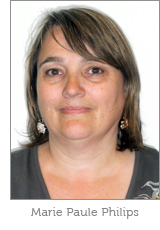 There are now nearly 12 million people receiving antiretroviral therapy for HIV, and yet millions of people living with the disease still do not have access to treatment. While important strides have been made in efforts to expand access to and quality of HIV treatment in resource-limited settings, Médecins Sans Frontières (MSF) witnesses first-hand the countries – including but not limited to those with conflict – where people have not experienced the benefits of this global health revolution.
In West and Central Africa, only one-fifth of people living with HIV/AIDS have access to treatment. According to official statistics from 2012, there is a 79% treatment gap in this region. In the Democratic Republic of Congo (DRC), the most optimistic estimates indicate that less than 15% of the 420,000 people who are eligible for antiretroviral treatment today have access. Similarly, only 13% in Chad, 15% in Nigeria, 23% in Guinea and 23% of people in Cameroon have access to life-saving medicines. Many of these countries have relatively low rates of HIV prevalence, but more than half of people facing the ARV treatment gap in sub-Saharan Africa live in West and Central Africa.
- Detail
- Kategori: Berita Media (News)
- Dilihat: 3378
Blog AIDS 2014, 22 July 2014
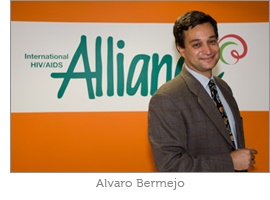 It's just two years since the bright lights of the 19th International AIDS Conference in Washington but how the world has changed in that time. From Nigeria to India, Ukraine to Uganda, the human rights of key affected populations have come under attack, particularly in recent months. We watched in horror as earlier this year Uganda – hot on the heels of Nigeria - adopted harsh new laws that further criminalize homosexuality, while last December India recriminalized gay sex, reversing a 2009 Delhi High Court decision. Consequently, both nations have witnessed a significant rise in acts of violence and discrimination against the LGBT community, driving an already marginalized community further underground and making the uptake of HIV services all the more difficult.
Creating an enabling social and legal environment for HIV prevention, care and treatment is essential if we are to bring about an end to AIDS. This means defending the rights of people living with HIV, sexual minorities, people who use drugs and sex workers among others. It also means addressing HIV-related stigma and discrimination, and advocating for laws and policies that promote and support evidence-based programming.
- Detail
- Kategori: Berita Media (News)
- Dilihat: 3536
Digital Jornal, 21 July 2014
 New Prevalence Estimates from More Than 100 Countries
WASHINGTON, July 21, 2014 /PRNewswire-USNewswire/ -- The U.S. Census Bureau today released its annually updated interactive global resource on the prevalence of HIV infection and AIDS cases and deaths. First developed in 1987, the database now holds more than 164,000 statistics, an increase of approximately 5,900 new estimates in the last year, and is the most comprehensive resource of its kind in the world.
- Detail
- Kategori: Berita Media (News)
- Dilihat: 3968
Healio, 21 July 2014
Children affected by HIV experience anxiety and depression similar to children with HIV, which researchers said is indicates a need for policy and programmatic responses, according to study findings in Pediatrics.
Theresa Betancourt, ScD, MA, of Harvard School of Public Health in Boston, and colleagues assessed mental health, risk and protective factors among 683 children, aged 10 to 17 years, with different levels of HIV exposure. Children were assigned to groups depending on HIV exposure: HIV-positive (n=218); HIV-affected (n=228); and HIV-unaffected (n=237). Children who had a caregiver with HIV or had a parent die as a result of AIDS complications were considered HIV-affected. The study was conducted in two districts in Rwanda between March 2012 and December 2012.





Informasi
 |
 |
 |
 |




© 2026 Kebijakan AIDS Indonesia